Worldwide Shipping
Currency


How to Sell Pokémon Cards in 2026: Sealed, PSA-Graded and Raw, Step by Step
Prepare in three piles (sealed, slabs, raw), grade only cards whose Gem Mint value clears the fee, photograph the real item, then compare four selling routes on take-home certainty and speed. On PU...

In this story
How to sell Pokémon cards for the best result: sort what you have into sealed product, graded slabs and raw singles, grade only the raw cards whose Gem Mint value clearly clears the grading cost, keep sealed boxes in their original wrap, then choose a channel on what actually lands in your account rather than the headline price. On PUSHAS you set a minimum payout per item, are paid weekly every Thursday, and unsold stock is stored free for 12 months.
Most of the money is lost before anything is listed: a booster box stored in sunlight, a PSA 10 candidate sold raw, a chase card graded when the fee ate the uplift. The order of operations matters more than the platform. Here is the sequence, with the decisions that move the number most.
How to sell Pokémon cards: prepare before you price
1. Sort into three piles
Sealed product (booster boxes, Elite Trainer Boxes, bundles, tins), graded slabs, and raw singles behave as three different markets. Sealed trades on set and condition of the box. Slabs trade on grade and certification number. Raw singles trade on condition you have to prove yourself. Keep them separate from the first minute.
2. Protect what you're about to sell
Leave sealed product in its factory wrap, out of heat and light, and don't stack heavy boxes on top of lighter ones. Buyers inspect the wrap and seams closely, and a dented corner moves a box from "Brand New" to "Damaged Box" in a listing. Raw cards go into a penny sleeve and a semi-rigid holder. Slabs stay in their case; a cracked or opened slab is no longer a graded card.
3. Record what you have
For each item note the set, the card number, the language, and for slabs the grader, grade and certification number. Photograph the actual item on a plain background, front and back, with a close-up of the wrap seam for sealed boxes. Stock photos cost you trust and, on most platforms, sales.
Should you grade before selling?
Grading converts an argument about condition into a number a buyer will pay for, but it only pays when the uplift beats the fee, the shipping and the time. A quick self-assessment first:
- Centering. Compare the borders left to right and top to bottom, front and back. A card worse than 60/40 on the front is unlikely to reach a PSA 10, and that single grade is where most of the premium sits.
- Corners. Any softness, rounding or peeling is an immediate downgrade.
- Edges. Look for whitening, nicks or chips against a dark background.
- Surface. Tilt the card under angled light for holo scratches, scuffs and print lines.
Two rules of thumb are widely used. Raw cards worth under about US$50 rarely justify grading unless they're vintage or rare, because a PSA 9 often sells for little more than the raw card. Vintage and chase cards can be worth grading even at an 8 or 9. If a card fails the centering test, sell it raw and let the buyer decide. Our PSA grading scale explainer shows what each grade means, and how card grading works walks through the submission itself. One point worth knowing before you list a slab anywhere: on PUSHAS, graded stock is currently PSA, covering Pokémon, One Piece and some sports.

Where to sell Pokémon cards: four routes compared
| Route | Best for | What you give up |
|---|---|---|
| Local game store or buylist | Speed, bulk raw cards | A store margin on every card; local demand sets the ceiling |
| Open auctions and classifieds | Rare cards with bidding interest | Final price unknown until the hammer; you handle photos, shipping and disputes |
| Collector groups and social media | Known buyers, no platform fee | Payment risk and no recourse if the buyer vanishes |
| Authenticated marketplace (PUSHAS) | Sealed product and slabs, a global buyer pool | You apply first; every item is authenticated by hand before it ships |
The fuller comparison across sneakers, streetwear and cards is in where to sell sneakers, streetwear and Pokémon cards. Whichever route you choose, compare on the same five things: take-home certainty, payment speed, reach, workload and who carries the risk. Our marketplace comparison sets those criteria out side by side.
Why sellers choose PUSHAS for sealed and graded Pokémon
- A floor you set. Every item gets a minimum payout. You are never paid less than it, and sometimes slightly more.
- Weekly money. Sellers are paid every Thursday, so a sale on Monday isn't a maybe at month end.
- Free storage for 12 months. Send stock to a PUSHAS facility and unsold items are stored free for a year. Stored stock is shown to buyers as FASTEST and dispatches within 2 business days of an order.
- Buyers in 14 markets. Your Charizard is shown to buyers in 14 markets, priced in their own currency, with facilities in Sydney, Hong Kong and Los Angeles behind every order, instead of waiting for one local collector.
- One tool. You list and manage everything through the Seller Platform; PUSHAS handles authentication, delivery and the buyer.
Every seller application is reviewed and only a small share are accepted, which is why buyers trust what they find in the Graded Cards (Slabs) and Pokémon TCG collections. Apply on the Become a Seller page or email sell@pushas.com.
A note for Australian sellers
PUSHAS PTY LTD (ABN 64 617 810 554) has traded since May 2017 and is the largest marketplace for authenticated sneakers, streetwear and collectibles in Australia and New Zealand. The process above is the same for Australian sellers; the buyer pool is global, the company is local.
Frequently asked questions
What is the best way to sell Pokémon cards?
Sort into sealed, graded and raw, grade only the raw cards whose Gem Mint value clearly beats the grading cost, photograph the actual items, then pick a channel on take-home certainty, payment speed and reach. For sealed product and slabs, an authenticated marketplace reaches buyers a local store can't.
Should I get my Pokémon cards graded before selling?
Only if the card is likely to grade 9 or 10 and the graded value clearly exceeds the raw value plus the fee. Cards worth under about US$50 raw rarely justify grading unless they're vintage or rare.
How much do Pokémon cards sell for?
It depends on the set, the card, the language and the condition or grade. Sealed boxes from out-of-print sets and PSA 10 chase cards carry the strongest premiums; most bulk raw cards sell for very little individually.
How do I get paid when I sell on PUSHAS?
You set a minimum payout for each item and are never paid less. Payouts are made weekly, every Thursday.
Can I sell PSA-graded Pokémon cards on PUSHAS?
Yes. PUSHAS lists PSA-graded Pokémon, One Piece and some sports cards alongside sealed product. Apply through the Become a Seller page or email sell@pushas.com.
Shop Graded Cards (Slabs)
Pokemon
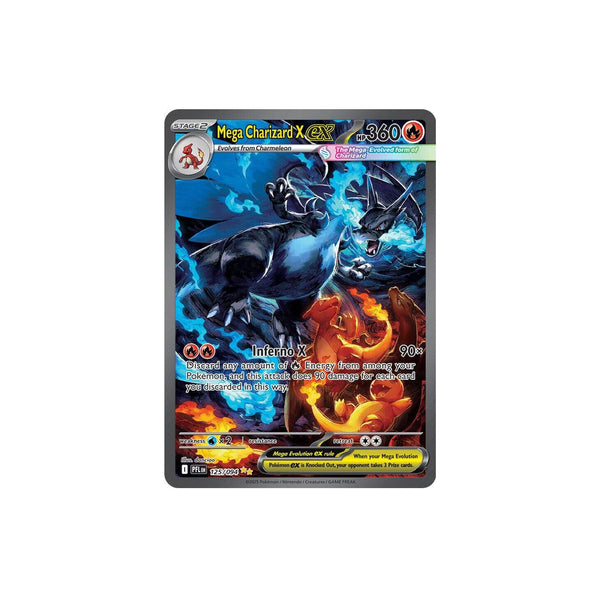
Pokémon TCG Phantasmal Flames Mega Charizard X ex Special Illustration Rare #125 (2025)
Pokemon
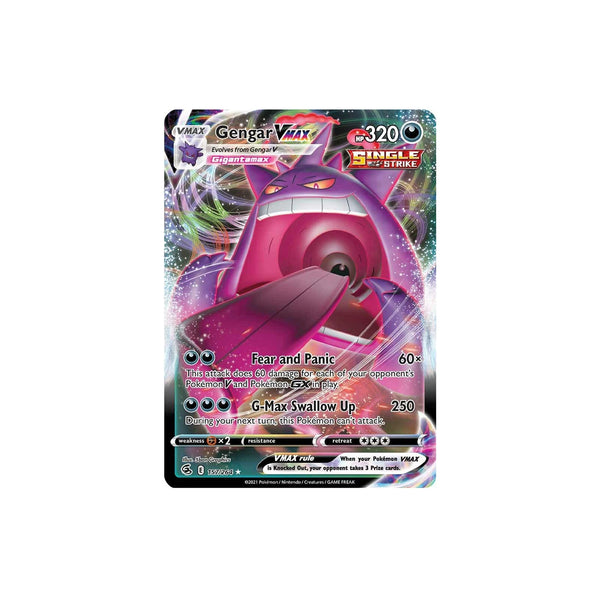
Pokémon TCG Fusion Strike Gengar VMAX #157 Holo (2021)

Pokemon
Pokémon TCG ME01-Mega Evolution #146 Marshadow Illustration Rare (2025)
Pokemon
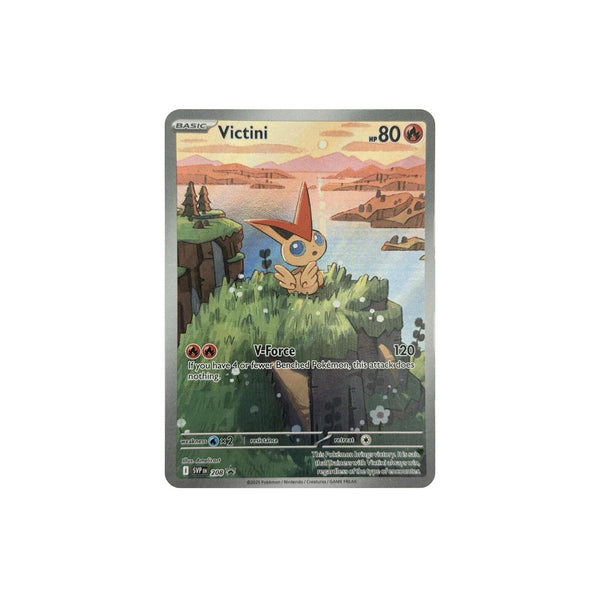
Pokémon TCG Scarlet & Violet Black Star Promo #208 Unova Victini Illustration Collection (2025)

Pokemon
Pokémon TCG Japanese Vending Series 2 (Red) Machoke (1998)

One Piece
One Piece Card Game Japanese OP13-Carrying On His Will #OP13-118 Monkey.D.Luffy SEC Wanted Poster Special (2025)

Pokemon
Pokémon TCG Japanese MBG-MEGA Starter Set Mega Gengar ex #022 Haunter Art Rare (2025)
Pokemon
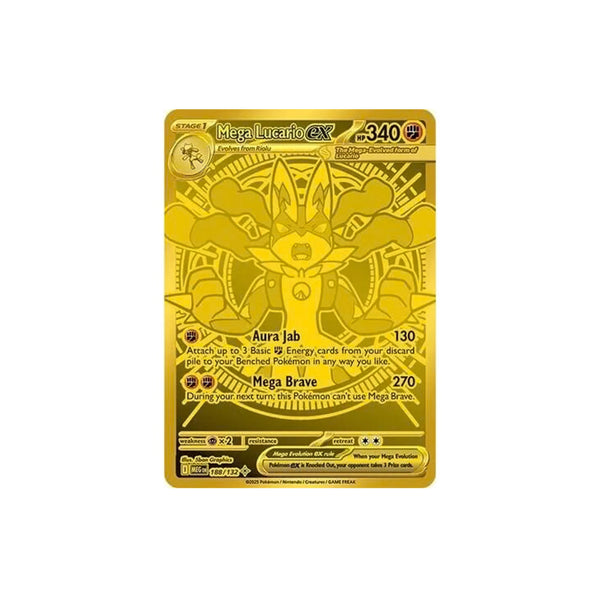
Pokémon TCG ME01-Mega Evolution #188 Mega Lucario ex Mega Hyper Rare (2025)

Panini
Panini Donruss Elite FIFA #20 Cristian Volpato RC Orange Disco 23/35 (2022-23)
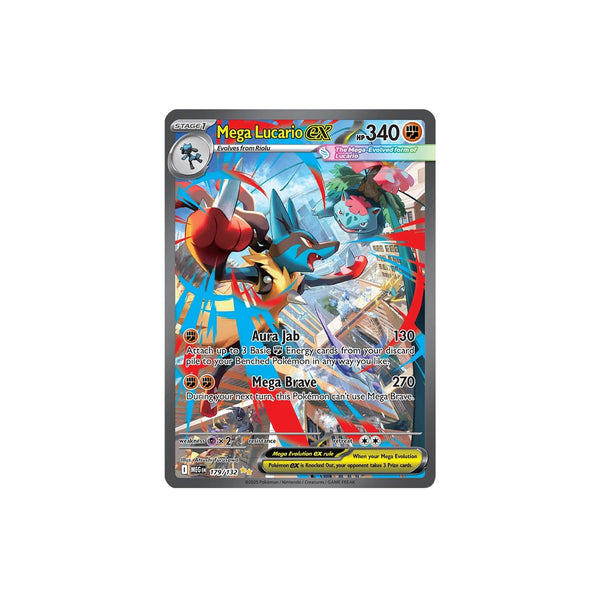
Pokemon
Pokémon TCG ME01-Mega Evolution #179 Mega Lucario ex Special Illustration Rare (2025)
Continue reading
All stories
Nike · 3 min
Nike Mind 001 vs Yeezy Slide: Which Slide Suits You
A sensory-node mule against an EVA foam slide: how the Nike Mind 001 and Yeezy Slide differ in design, feel and styling.

Canon · 3 min
Canon G7 X Mark III vs Mark II: What Changed
The Canon G7 X Mark III keeps the Mark II lens and adds 4K, a stacked sensor, DIGIC 8 and a mic input.

Topps · 3 min
Topps Chrome Cactus Jack Basketball Hobby Box Explained
Travis Scott’s Cactus Jack reworks Topps Chrome Basketball with its own inserts, parallels and a street-inspired look.
- Choosing a selection results in a full page refresh.