Worldwide Shipping
Currency


What Is a Slab? Graded Trading Cards Explained
What a graded card slab is, what the label tells you, and the hobby terms every new collector hears first.

In this story
A slab is a trading card that has been graded by a third-party company and sealed inside a hard, tamper-evident plastic case. The label on top records the card, its grade on a 10-point scale and a unique certification number that anyone can look up. It is the format collectors use to have a card's condition assessed independently and kept exactly as it was on grading day.
Graded slabs are now live at PUSHAS too, led by the PSA-graded Mega Charizard X ex Special Illustration Rare #125 in the graded cards and slabs collection.
Every slab starts as a card pulled from a pack, and the cards inside sealed boxes like the Pokémon TCG Mega Evolution Elite Trainer Box (Mega Gardevoir) are the ones collectors send for grading. Sealed product across the Pokémon trading card range is live at PUSHAS. This guide covers what a slab is, why collectors grade, and the words you will hear once you start.
What a slab actually is
"Slab" is hobby slang. PSA's own glossary defines it as a professionally graded card, and CGC describes the slab as the encapsulation itself: the permanent plastic case a card is sealed into after grading. Topps uses "slabbed" and "graded" as synonyms.
PSA says it encapsulates every card in a tamper-evident, sonically sealed case, and Beckett describes its holders as tamper-evident too. The seal is intended to be permanent: taking the card out ends that grade. That is why a slab is treated as a closed record rather than a storage box you open and close.
Across the top sits the label. On a PSA slab it carries the card details, the grade and a certification number. Beckett labels add four condition scores, called subgrades, for centering, corners, edges and surface, and new Beckett labels carry a QR code that opens the card's verification page.
Why collectors grade their cards
PSA separates two jobs. Authentication verifies that a card is genuine; grading assesses its quality and condition on a 10-point scale, with 10 the top. Grading puts that assessment in the hands of a third party with a published standard, so two collectors can talk about the same card without arguing over how sharp a corner looks in a photo.
The second reason is protection. The hard case is designed to preserve the card's condition, keeping fingers, dust and bent corners away from it. The third is display: a slab is a clear, rigid frame for a single card.
A card does not have to be graded to be collected. A binder of raw cards is still a collection; grading is a choice you make card by card.
The terms you will hear
| Term | What it means | Where you see it |
|---|---|---|
| Slab | A card that has been graded and sealed in a permanent plastic case | Any graded card from PSA, Beckett, CGC or SGC |
| Raw | A card that has not been graded and slabbed by a third-party service | Binders, toploaders and freshly opened packs |
| Gem | Short for Gem Mint, a card judged virtually perfect | The PSA 10 grade and the Beckett 9.5 grade |
| Crack | Removing a card from its holder, which ends that grade | Crossovers, when a card moves to another grading company's holder |
| Cert lookup | Entering a slab's certification number online to confirm its card and grade | The grading company's verification page, or a QR code on newer labels |
| Pop report | A published census of how many copies of a card a company has graded, and at which grades | Each grading company's population report |
"Gem" is where the grading scales differ. PSA calls its 10 Gem Mint. Beckett calls its 9.5 Gem Mint and reserves Pristine for a 10. The word is the same; the number behind it depends on whose label you are reading.
Built for different collections: who grades cards
PSA, founded in 1991, grades on a 1 to 10 scale and prints the grade and certification number on its label. SGC opened in 1998 and since 2024 has been owned by Collectors, the parent company of PSA. Beckett Grading Services began in 1999 and is known for printing four subgrades on the label; in December 2025 Collectors agreed to acquire Beckett, which it said would remain an independent brand. CGC Cards grades trading card games, sports and non-sports cards, from Pokémon to Topps.
No company is the single right answer. Each has its own scale, label and holder, and the choice usually comes down to which slab a collector wants their set to live in.
Live now at PUSHAS
Stock as of 3 October 2026. Graded slabs, including the Mega Charizard X ex #125 in PSA 10 and PSA 9, sit alongside sealed Pokémon and Topps boxes at PUSHAS. Every item is authenticated by hand, so you can shop with confidence. The live listing shows the current price. Start with the Pokémon TCG Mega Evolution Elite Trainer Box (Mega Gardevoir).
Deciding which sealed format to open first? Our guide to Elite Trainer Boxes, booster boxes and booster bundles breaks down what sits inside each, and our note on where to buy authentic Pokémon cards covers buying sealed product with confidence.
FAQ
What is a slab in trading cards?
A slab is a card that has been graded by a third-party company and sealed in a permanent, tamper-evident plastic case, with a label showing the card, its grade and a certification number.
What does raw mean for a card?
A raw card is one that has not been graded and slabbed by a third-party service. Freshly pulled cards and cards in binders are raw.
What does it mean to crack a slab?
Cracking means removing a card from its holder, which ends that grade.
How do I look up a graded card's cert number?
Enter the certification number from the label into the grading company's online verification page to confirm the card and grade. Newer Beckett labels also carry a QR code that opens the verification page.
What is a pop report?
A pop report is a published census of how many copies of a card a grading company has graded, and at which grades.
Shop Graded Cards (Slabs)
Pokemon
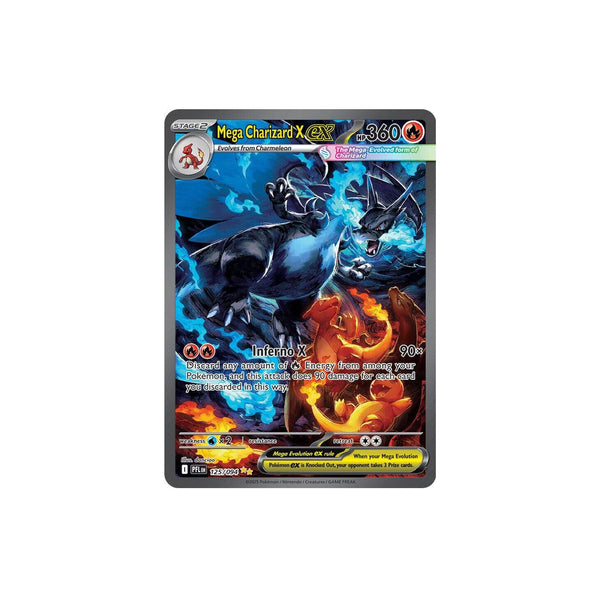
Pokémon TCG Phantasmal Flames Mega Charizard X ex Special Illustration Rare #125 (2025)
Pokemon
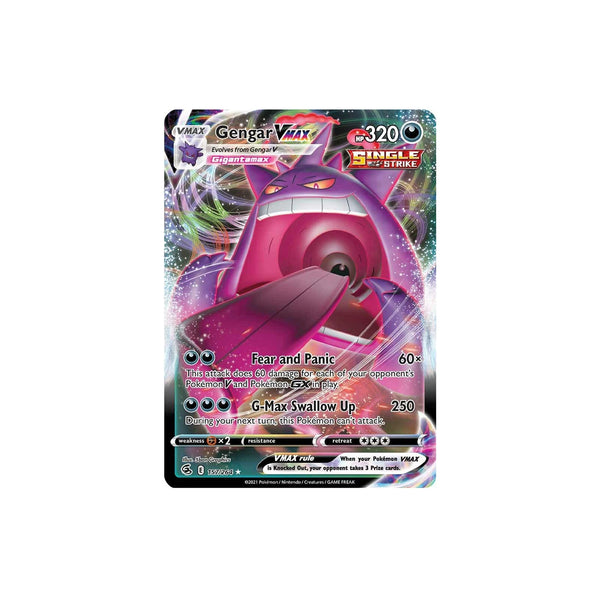
Pokémon TCG Fusion Strike Gengar VMAX #157 Holo (2021)
Pokemon
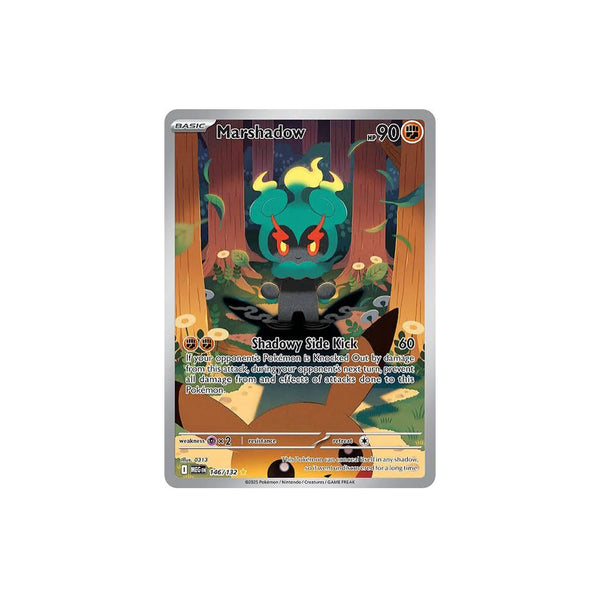
Pokémon TCG ME01-Mega Evolution #146 Marshadow Illustration Rare (2025)
Pokemon
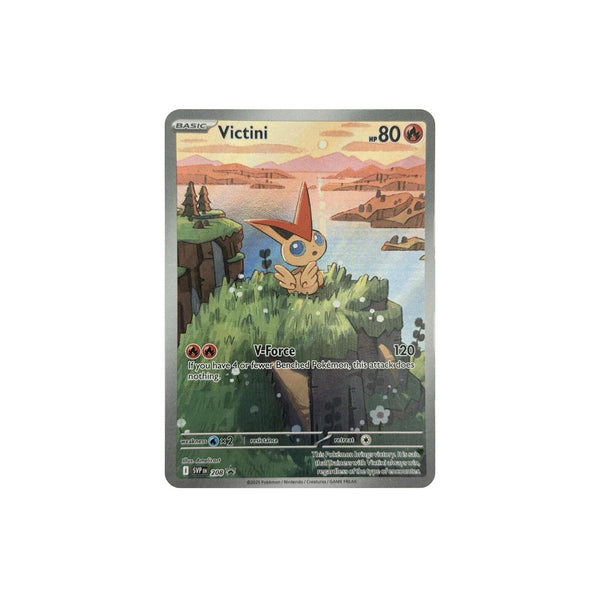
Pokémon TCG Scarlet & Violet Black Star Promo #208 Unova Victini Illustration Collection (2025)
Pokemon
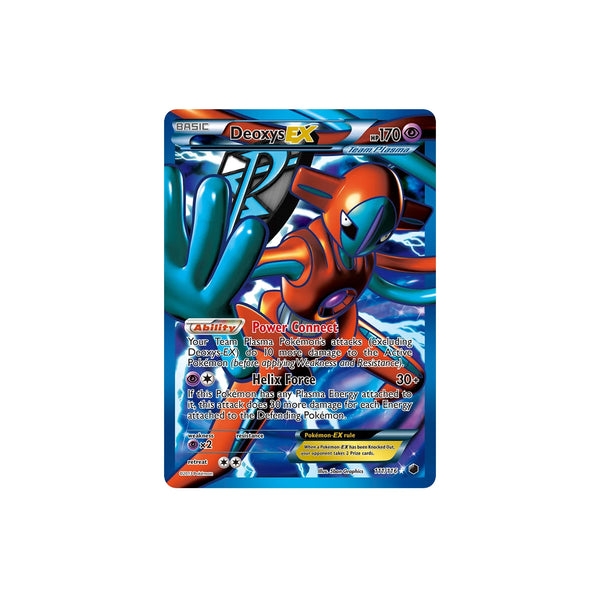
Pokémon TCG Deoxys-EX Team Plasma Full Art Plasma Freeze #111 (2013)
Pokemon
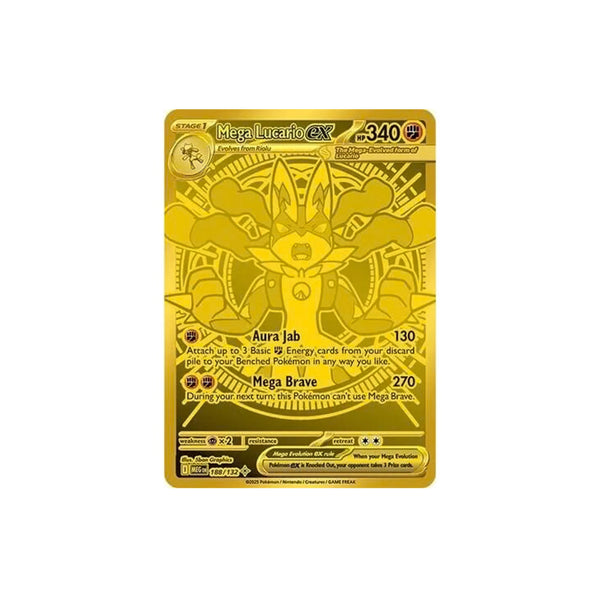
Pokémon TCG ME01-Mega Evolution #188 Mega Lucario ex Mega Hyper Rare (2025)

Pokemon
Pokémon TCG Japanese MBG-MEGA Starter Set Mega Gengar ex #022 Haunter Art Rare (2025)
One Piece
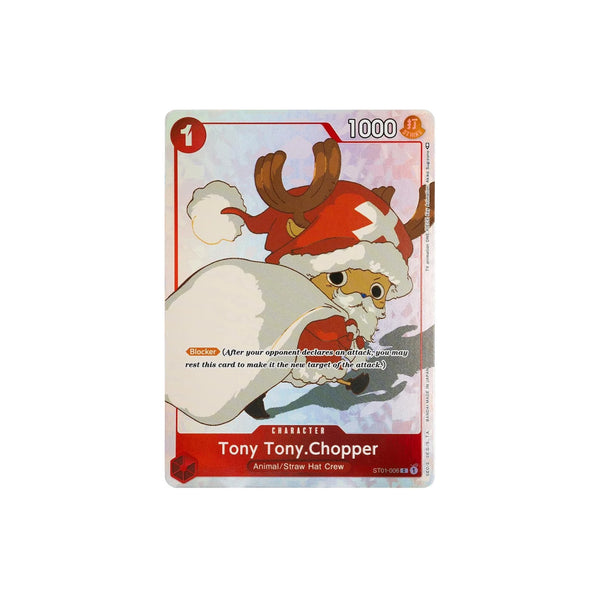
One Piece Card Game #ST01-006 Tony Tony.Chopper Gift Collection (2023)

Pokemon
Pokémon TCG Japanese Vending Series 2 (Red) Machoke (1998)
Pokemon
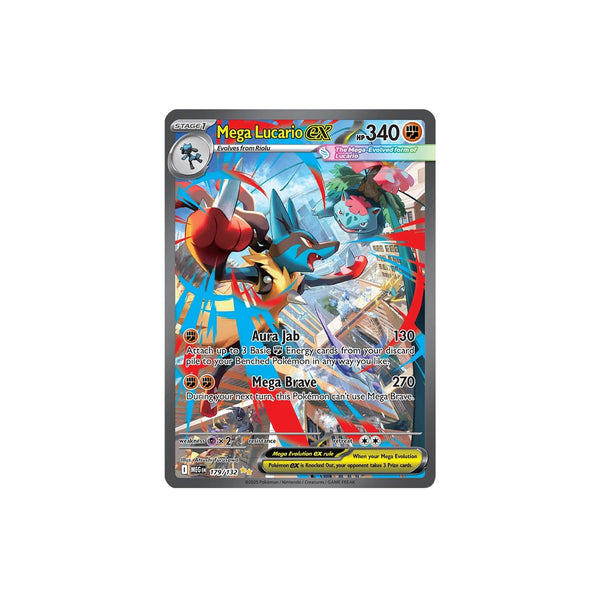
Pokémon TCG ME01-Mega Evolution #179 Mega Lucario ex Special Illustration Rare (2025)

Continue reading
All stories
Editorial · 4 min
PSA vs BGS vs CGC: How the Big Card Graders Differ
One grade, four subgrades or a Pristine 10: how PSA, BGS and CGC read the same 10-point scale in different ways.

Editorial · 3 min
Mega Charizard X ex #125: Phantasmal Flames SIR, Graded by PSA
The Phantasmal Flames Special Illustration Rare of Mega Charizard X ex, graded by PSA and sealed for display.

Jordan · 5 min
The Best Travis Scott Sneaker Releases of 2026, Ranked
From the CJ1 T-Rexx 'Green Spark' to the fragment Air Jordan 1 Low and the pink pack, these are our picks of Travis Scott's latest Jordan and Nike releases.
- Choosing a selection results in a full page refresh.